
Loft Insulation Grant: Costs, Thickness, and the Best Options for UK Homes
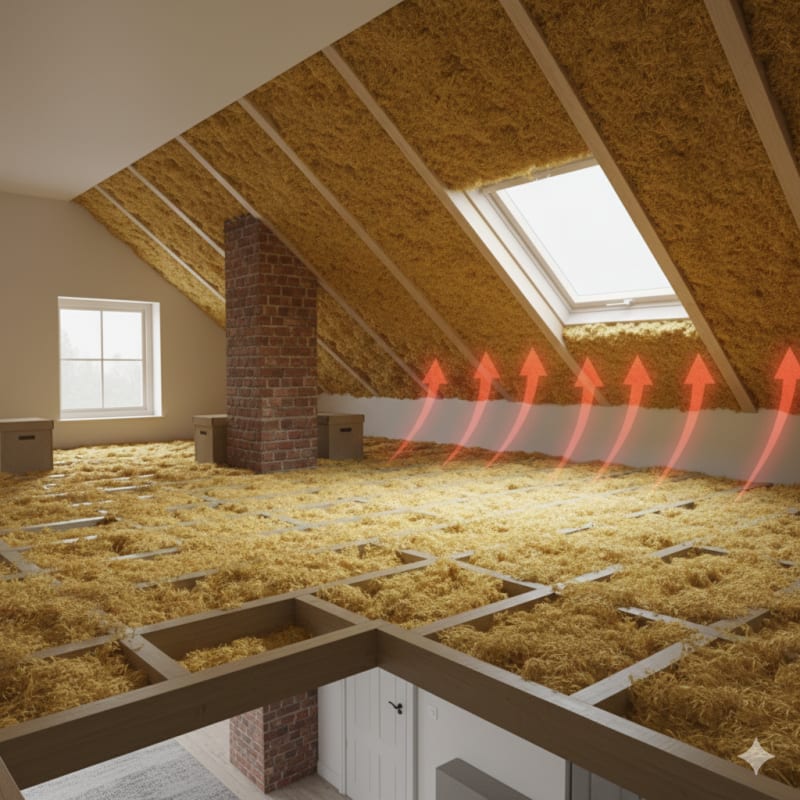
If your home feels cold in winter and overheats in summer, there’s a good chance the problem starts above your head. In the UK, up to 25% of heat can escape through an uninsulated roof, making loft insulation one of the most effective and affordable energy upgrades available.
Many homeowners start by asking one simple question:
Is there a loft insulation grant available?
The short answer is: sometimes, yes—but it depends on your home, income, and existing insulation. This guide explains loft insulation grants, typical loft insulation cost in the UK, the best insulation thickness, and practical solutions for common cold loft problems, especially in older houses.
Why Loft and Roof Insulation Matter So Much
Heat naturally rises. Without proper insulation, warm air escapes straight through the roof, forcing your heating system to work harder and longer.
Good loft or roof insulation:
- Keeps heat inside during winter
- Reduces overheating in summer
- Lowers energy bills year after year
- Improves EPC ratings
- Makes homes more comfortable overall
For many properties, it’s the single highest return-on-investment upgrade.
What Is a Loft Insulation Grant?
A loft insulation grant is funding that covers some or all of the cost of insulating your loft. These grants usually come through UK government-backed energy efficiency schemes rather than direct cash payments.
When Loft Insulation Is Free
You’re more likely to receive 100% funded loft insulation if:
- Your household is on qualifying benefits
- Your home has a low EPC rating (typically D–G)
- Existing insulation is missing or very thin
In these cases, the work may be fully funded, with no repayment required.
When It’s Part-Funded or Not Free
If you’re not on benefits, you may still qualify for:
- Partial grants
- Discounted installation
- Government-backed finance
This is where many homeowners mistakenly assume nothing is available—when in reality, support still exists.
Loft Insulation Cost in the UK (2025–26 Guide)
Costs vary depending on loft size, insulation type, and access. Below are typical UK ranges:
Average Costs
- Top-up loft insulation (rolls): £300 – £600
- Full loft insulation (new install): £500 – £1,200
- Complex or older properties: £1,200 – £2,000+
Grants can reduce this cost significantly—or remove it entirely for eligible households.
Ongoing Savings
A properly insulated loft can save:
- £150–£300 per year on heating bills (typical home)
- More in larger or poorly insulated properties
That’s why even paid installations often pay for themselves within a few years.
Best Loft Insulation Thickness in the UK
One of the most searched questions is:
What’s the best loft insulation thickness in the UK?
Current UK Recommendation
- 270mm (about 11 inches) of insulation
Many homes still have:
- 50mm–100mm (far below modern standards)
- Old, compressed insulation that no longer performs well
Why Thickness Matters
- Too thin → heat escapes
- Correct depth → consistent warmth and lower bills
- Over-insulating without ventilation → condensation risks
Professional installers assess both depth and airflow, especially in older homes.
Types of Loft Insulation (Pros & Cons)
1. Mineral Wool (Most Common)
- Affordable
- Easy to install
- Fire-resistant
- Works well for most homes
Best for: Standard lofts with joists and good access
2. Sheep’s Wool or Natural Insulation
- Breathable
- Good moisture control
- Higher cost
Best for: Older homes needing moisture regulation
3. Rigid Boards (Roof Insulation)
- High performance
- Used in roof conversions or flat roofs
- More expensive
Best for: Roof insulation for energy saving in converted lofts
Cold Loft Problems and Practical Solutions
Many homeowners complain of:
- Cold bedrooms
- Draughts
- Condensation
- Mould on ceilings
These issues often point to insulation or ventilation problems, not just heating.
Common Problems & Fixes
Problem: Cold upstairs rooms
Solution: Increase insulation thickness to 270mm
Problem: Damp or condensation
Solution: Improve ventilation alongside insulation
Problem: Loft too cold after insulation
Solution: Seal draughts but keep airflow at eaves
A proper assessment matters more than simply “adding more insulation”.
Loft Insulation for Old Houses
Older UK homes—especially Victorian, Edwardian, and early post-war builds—need extra care.
Key Considerations
- Breathability of materials
- Existing moisture issues
- Irregular joist spacing
- Historic roof structures
For these homes:
- Natural or breathable insulation may be recommended
- Ventilation is just as important as insulation depth
- One-size-fits-all solutions often fail
This is why professional advice is strongly recommended for older properties.
Roof Insulation vs Loft Insulation: What’s the Difference?
People often confuse the two.
Loft Insulation
- Installed on the loft floor
- Best for unused lofts
- Cheapest and most common option
Roof Insulation
- Installed between or under rafters
- Used for loft conversions
- Higher cost but essential for habitable spaces
Both are valid—but serve different purposes.
How Loft Insulation Grants Actually Work
Grants are not paid to homeowners directly.
Instead:
- Funding is routed through approved installers
- Eligibility is checked upfront
- Installation is completed at reduced or zero cost
This protects homeowners from poor-quality work and ensures standards are met.
Why Some People Are Told They “Don’t Qualify”
Common reasons include:
- Existing insulation already meets minimum thickness
- EPC rating is too high
- Wrong scheme applied for
- Property type not suitable
This doesn’t always mean no options—it often means a different funding route is needed.
Is Loft Insulation Worth It Without a Grant?
For most homes, yes.
Reasons include:
- Low upfront cost compared to other upgrades
- Immediate comfort improvement
- Long-term bill savings
- Better EPC rating for resale or letting
Even without a grant, it’s often one of the smartest energy investments you can make.
What to Check Before You Upgrade
Before committing:
- Measure existing insulation depth
- Check EPC rating
- Inspect for damp or condensation
- Confirm ventilation is adequate
A quick professional assessment can prevent costly mistakes.
Final Thoughts: Start at the Top
Loft insulation isn’t glamorous—but it works.
Whether you’re:
- Looking for a loft insulation grant
- Comparing loft insulation cost UK
- Fixing cold loft problems
- Improving an old house
- Planning broader energy-saving upgrades
This is one upgrade that consistently delivers results.
✅ Want to Check If You Qualify for a Loft Insulation Grant?
You can complete a short eligibility check to see:
- If your home qualifies for a loft insulation grant
- Whether you’re eligible for free or discounted installation
- What insulation thickness and materials suit your home
- Approximate savings and costs
It takes less than a minute—and could make your home warmer for years to come.