
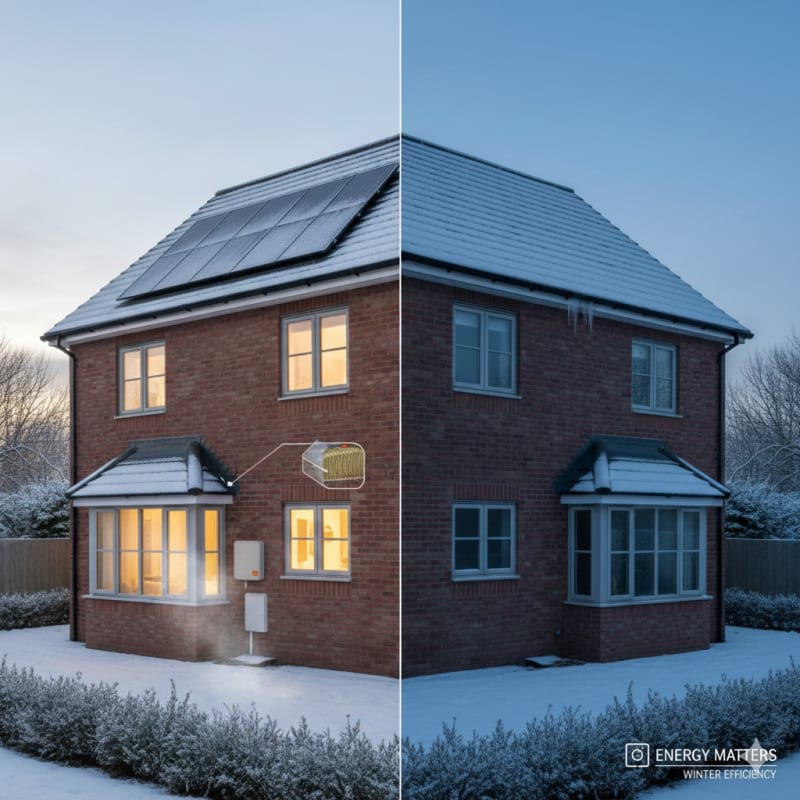
Warm Homes Plan 2026: What It Actually Means For Your Home and Bills
Energy bills have become one of the biggest household worries in the UK. Even people who once felt comfortable are now questioning how much it really costs to heat their homes. Older properties lose heat fast. Gas prices fluctuate. And government schemes often feel confusing, technical, or hard to access.
That’s where the Warm Homes Plan comes in.
If you’ve heard the name but aren’t quite sure what it actually means for you, you’re not alone. This article breaks down the Warm Homes Plan 2026 explained in simple terms—what it is, who it’s for, what upgrades it covers, and how grants and loans really work. No jargon. No sales talk. Just clarity.
What Is the Warm Homes Plan?
At its core, the Warm Homes Plan is a long-term UK government energy scheme designed to make homes cheaper to heat, more energy-efficient, and less dependent on gas.
It is not a single grant or a one-off offer. Instead, it’s a framework that brings together multiple energy efficiency measures, funding routes, and installer programmes under one national ambition.
The plan focuses on a simple idea:
fix heat loss first, then modernise how homes are heated.
Rather than pushing expensive upgrades without preparation, the Warm Homes Plan prioritises making homes warmer and more efficient before moving to low-carbon technologies.
In practical terms, the plan aims to:
- Reduce wasted energy
- Lower household energy bills
- Improve comfort and indoor health
- Support the transition away from fossil fuels
This approach is especially important in the UK, where many homes were built decades ago and struggle to retain heat.
Who Is the Warm Homes Plan For?
One of the biggest misunderstandings is that the Warm Homes Plan is only for people on benefits. In reality, eligibility depends on both the household and the property.
The plan is primarily designed to help:
- Homeowners
- Private landlords
- Low- and middle-income households
- People living in older or poorly insulated homes
It particularly targets properties with:
- Low EPC ratings
- Old or inefficient heating systems
- High energy bills compared to home size
- Poor insulation or draught issues
Importantly, you do not need:
- A new build home
- Solar panels already installed
- A full renovation plan
- To apply for everything at once
Many households qualify simply because of the condition of the property, not because of income alone. Older homes often benefit the most.
What Upgrades Does the Warm Homes Plan Cover?
The Warm Homes Plan is built around a “fabric first” approach. That means fixing the structure of the home before upgrading technology.
Insulation: The Foundation of Lower Bills
Insulation is often the first step because it delivers immediate results.
Common insulation measures include:
- Loft insulation
- Cavity wall insulation
- Solid wall insulation
- Floor insulation
- Draught proofing
Poor insulation causes heat to escape quickly, meaning boilers or heat pumps have to work harder—and cost more. Improving insulation can dramatically reduce heat loss, sometimes cutting energy demand by 30–50%.
This is why insulation upgrades are usually prioritised under Warm Homes Plan grants.
Low-Carbon Heating Systems
Once heat loss is reduced, the plan supports cleaner heating options, particularly heat pumps.
These may include:
- Air-source heat pumps
- Ground-source heat pumps (in suitable locations)
- Heating system upgrades to support low-temperature heating
Heat pumps work best in well-insulated homes. That’s why the Warm Homes Plan doesn’t push them blindly—it ensures homes are ready first.
For many households, this shift means:
- Lower long-term heating costs
- More stable bills
- Reduced reliance on gas
Solar and Renewable Add-Ons
In some cases, renewable technologies may also be included, such as:
- Solar panels
- Battery storage
- Smart energy controls
Solar isn’t suitable for every home, but when combined with insulation and efficient heating, it can further reduce electricity costs and improve energy independence.
The key point is this:
not everyone receives every upgrade.
Measures are combined based on what makes sense for each home.
Warm Homes Plan Grants vs Loans: What’s the Difference?
Understanding funding is crucial. The Warm Homes Plan uses both grants and loans, and many people may use a combination of the two.
Warm Homes Plan Grants
Grants:
- Do not need to be repaid
- Are usually targeted at lower-income households or vulnerable residents
- Often focus on essential improvements like insulation
Grants are designed to remove cost barriers for households that would otherwise struggle to upgrade their homes.
Warm Homes Plan Loans
Loans:
- Are typically low-interest or long-term
- Spread the cost of larger upgrades
- Are often offset by energy savings over time
For example, a household may receive a grant for insulation and use a loan to support a heating upgrade. The goal is affordability—not debt pressure.
This blended approach makes the scheme accessible to more people, including households that don’t qualify for full grants but still need support.
The £15 Billion Ambition: Why It Matters
The Warm Homes Plan is backed by a £15 billion national ambition, spread across multiple years.
This funding isn’t just about individual upgrades—it’s about transforming how UK homes use energy.
The wider goals include:
- Reducing fuel poverty
- Lowering national energy demand
- Improving public health through warmer homes
- Creating skilled jobs across local communities
Cold homes contribute to health problems, missed workdays, and higher NHS costs. Improving housing quality has benefits far beyond lower bills.
In that sense, the Warm Homes Plan is infrastructure investment—just focused inside homes instead of roads or rail.
What the Warm Homes Plan Is Not
To avoid confusion, it’s important to be clear about what the plan does not promise.
The Warm Homes Plan is not:
- Instant cash in your bank account
- Automatic approval for everyone
- A one-size-fits-all solution
- A solar-only scheme
- A full home renovation programme
Eligibility depends on assessments, property data, and available measures. Some homes may qualify for multiple upgrades, others for just one.
Honest expectations help households make better decisions.
Why the Warm Homes Plan Matters for Your Bills
Energy prices rise and fall, but inefficient homes remain expensive to heat year after year.
The Warm Homes Plan focuses on reducing demand, not just subsidising costs. That’s a crucial difference.
By improving insulation and heating systems:
- Homes retain warmth longer
- Heating systems run less often
- Energy usage drops permanently
That means savings aren’t temporary—they continue year after year.
The First Step: Understanding Your Home
Most people don’t know:
- How much heat their home loses
- What upgrades would make the biggest difference
- Whether they qualify for grants, loans, or both
That’s why the first step isn’t installing anything—it’s understanding your home.
Every property is different. Age, construction type, insulation levels, and heating systems all matter.
Final Thoughts: What Should You Do Next?
The Warm Homes Plan 2026 explained simply is about making homes warmer, cheaper to run, and better prepared for the future.
It isn’t about forcing upgrades. It’s about giving households options—and support—to improve their homes sensibly.
If you’re wondering what your home might qualify for, the easiest next step is to check. A short, no-obligation form can help identify which measures could apply to your property and what kind of support may be available.
Understanding your options today could mean lower bills, warmer winters, and fewer energy worries tomorrow.